
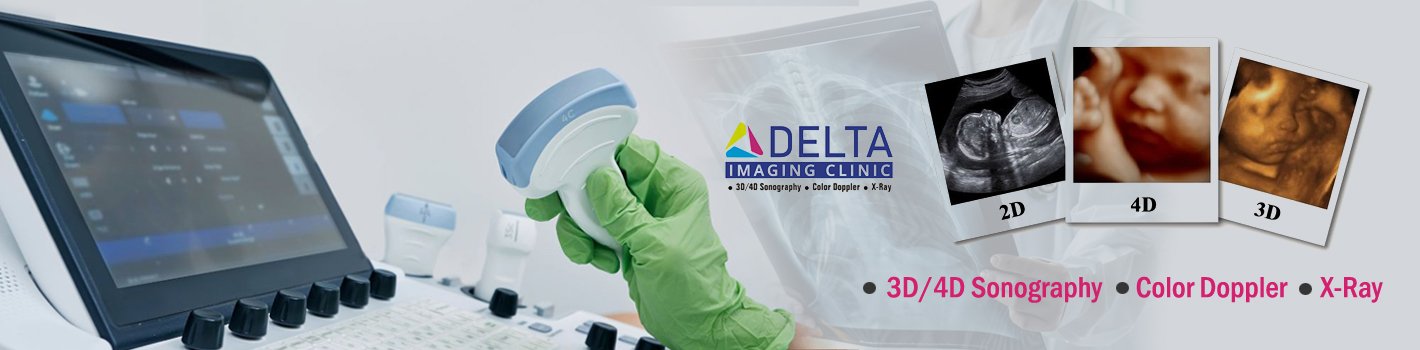

If your doctor has recommended a Color Doppler ultrasound, you may be wondering what it is and why it’s needed. This test is a special type of ultrasound that not only shows structures inside your body but also helps assess how blood is flowing through your vessels. It’s quick, safe, and provides critical information that regular ultrasounds cannot.
What Makes Color Doppler Different from Regular Ultrasound?
While a standard ultrasound uses sound waves to create black-and-white images of organs and tissues, a Color Doppler ultrasound adds color-coded information that shows the direction and speed of blood flow in real time. This is especially helpful in identifying circulation problems or abnormal blood flow patterns.
Why Did My Doctor Order a Color Doppler Scan?
There are several medical reasons your doctor might request this test. Here are some of the most common:
- To check for blood clots: Especially in the legs, to rule out deep vein thrombosis (DVT).
- To evaluate varicose veins: Determine how well blood is flowing and if valves are working properly.
- To monitor blood flow in organs: Such as the liver, kidneys, or after a transplant.
- To assess narrowed or blocked arteries: Especially in the neck (carotid arteries) or legs (peripheral arteries).
- To evaluate fetal health: In pregnancy, it helps check blood flow in the umbilical cord or placenta.
- To detect tumors or abnormal growths: Helps differentiate between benign and suspicious masses based on blood supply.
How Does the Procedure Work?
A sonographer or radiologist will perform the scan using a handheld device called a transducer, which is moved over the skin after applying a special gel. The machine displays colored images of your blood vessels, showing how blood is flowing. The test is painless and usually takes about 30–45 minutes depending on the area being examined.
Is a Color Doppler Ultrasound Safe?
Absolutely. It’s non-invasive and does not use any radiation, making it safe for all age groups—including pregnant women and infants. It simply uses sound waves, just like a regular ultrasound.
Do I Need to Prepare for the Test?
In most cases, minimal preparation is needed. However, depending on the area being scanned (e.g., abdominal blood vessels), your doctor may ask you to fast for several hours. For limb or neck vessels, no preparation is typically required.
What Happens After the Test?
The ultrasound images will be reviewed by a radiologist, who will send a report to your referring doctor. Your doctor will then explain the results and recommend next steps if necessary.
In Summary
A Color Doppler ultrasound is a safe, effective way to evaluate how blood flows through your body. Whether it’s checking for blockages, monitoring a pregnancy, or evaluating organ health, this test plays an essential role in modern diagnosis. If you have concerns or questions, don’t hesitate to speak with your healthcare provider—they’re there to help you understand every step.